

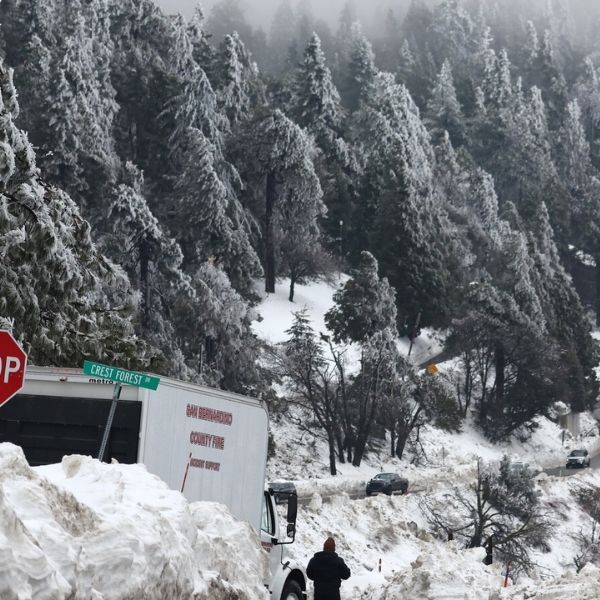
Parts of California are preparing for a possible “Christmas miracle,” with rain and even snow in the forecast after a winter heatwave pushed temperatures unusually high.
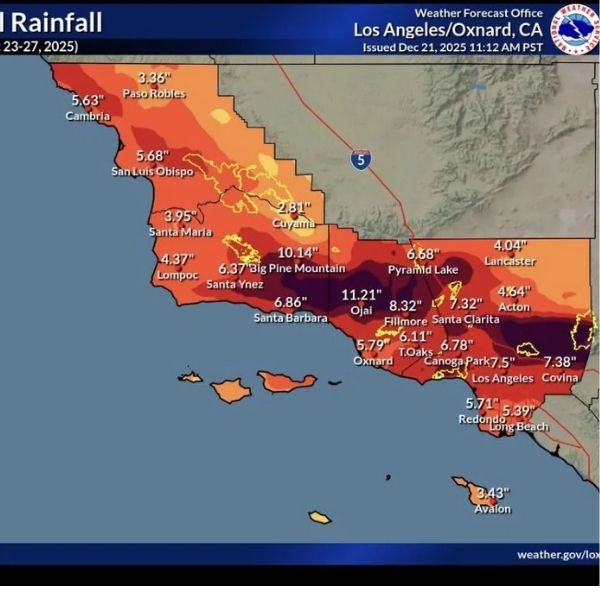
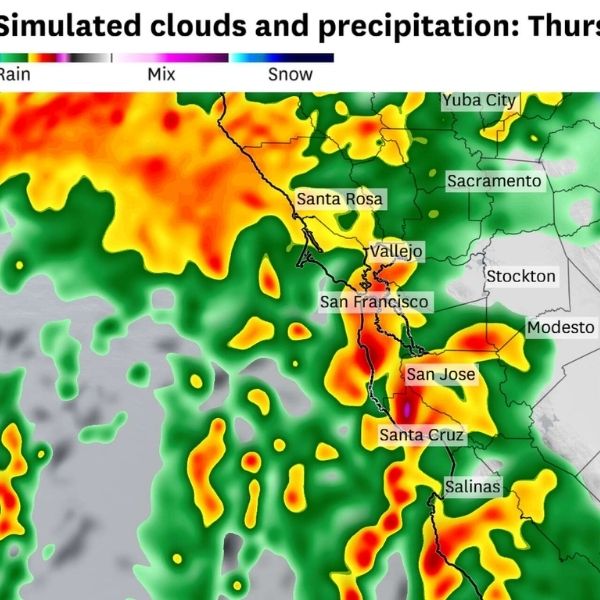
Much of the state experienced a prolonged dry spell during the fall, with Southern California temperatures climbing to 82 degrees last week. That pattern is expected to shift as Christmas approaches. Forecasters say heavy rainfall could soak much of California’s coastline between Dec. 23 and Christmas Day.
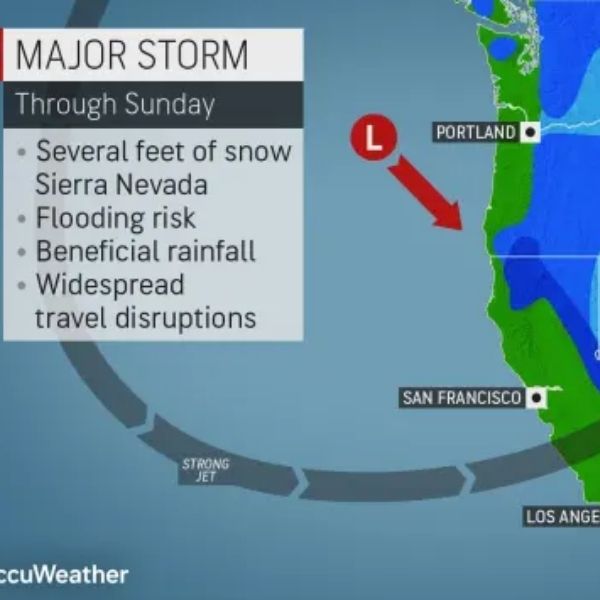
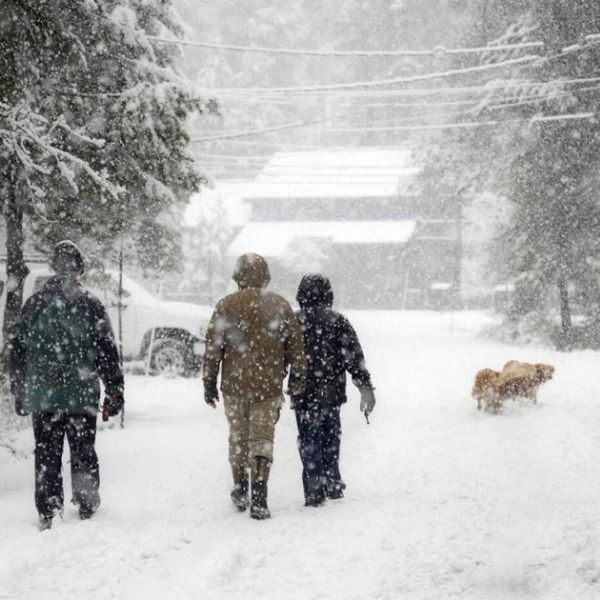
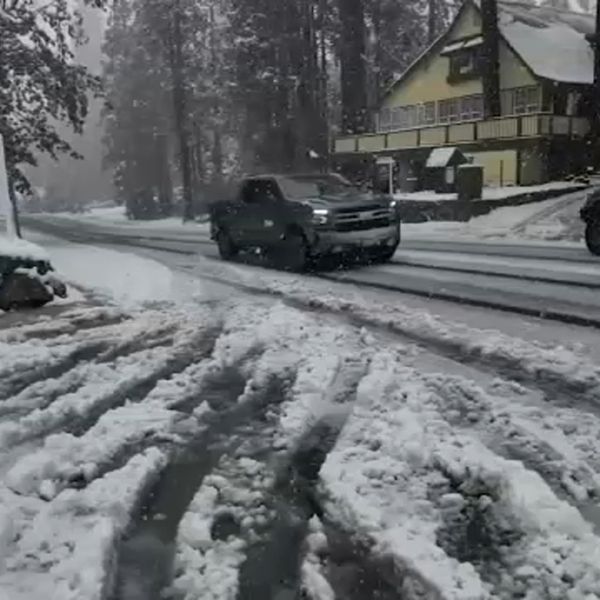
Higher elevations along the Sierra Nevada may also see snowfall as temperatures drop sharply next week. The National Oceanic and Atmospheric Administration’s Climate Prediction Center said the rain could be fueled by atmospheric river storms, similar to those that battered Washington state over the weekend, causing widespread damage and mass evacuations.
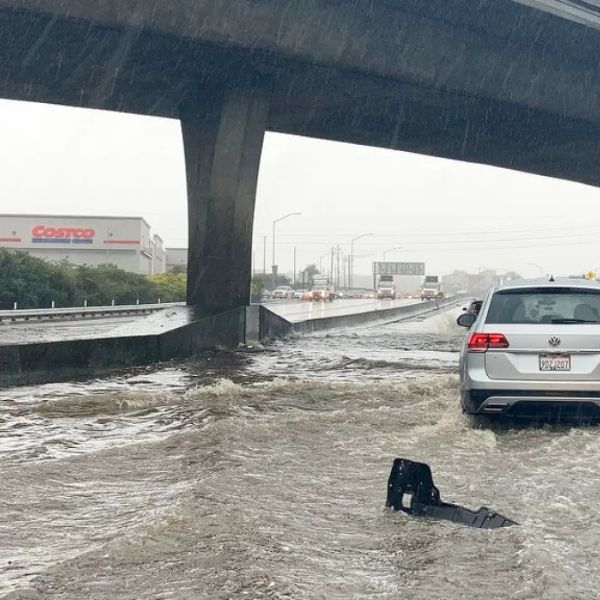
In California, forecasters are warning of possible flooding and mudslides, urging holiday travelers to remain cautious and plan ahead for potential disruptions. Recently burned areas are considered especially vulnerable, as they could experience rapid mud and debris flows.
The National Weather Service in Oxnard, which issues forecasts for Los Angeles County, told the Los Angeles Times: “Pretty much all the ensemble projections bring widespread rain sometime in the Dec. 23–26 window, which will certainly bring impacts to the busy Christmas holiday.”
Southern California has seen unusually warm conditions, with temperatures running about 20 degrees above average, but that warmth is expected to fade as early as Dec. 22.
“We’re still seeing fog for some coastal spots, but inland areas are warming up above average once again,” KTLA weather anchor Kacey Montoya said. “It’s about 20 degrees above average today, even warmer tomorrow.”
The National Weather Service expects temperatures to fall from the low 80s into the 70s by the weekend. Its long-range forecast also points to a Pacific storm moving into Southern California next week as the holiday period begins.
“There is a system that is very likely to bring us some widespread precipitation,” Montoya said. “Models don’t agree on when the rain begins or how much.”
This article has been carefully fact-checked by our editorial team to ensure accuracy and eliminate any misleading information. We are committed to maintaining the highest standards of integrity in our content.



Leave a Reply